Innovative Patio Design Concepts
Homeowners in Bahrain face a distinct architectural challenge: creating an outdoor space that remains usable during 45°C summers, resists intense coastal humidity, and maintains strict visual privacy from neighboring multi-story villas. Standard European or North American patio designs fail completely here. A traditional open-air wooden deck or dark stone layout turns into an unusable heat sink from May to October, radiating trapped thermal energy long after the sun goes down.
To solve this, we must look at Innovative Patio Design Concepts engineered specifically for the Gulf environment. This categorical list evaluates designs based on three strict criteria: active heat mitigation, dust-storm resilience, and compliance with local municipality boundary regulations. We excluded traditional concepts entirely, as they degrade rapidly in salt air or retain too much heat to be practical. This guide is built for villa owners and compound residents looking to invest in year-round outdoor living without violating local building codes or inflating their summer EWA bills unnecessarily.
Evaluation Criteria: How We Selected These Concepts
To filter viable Innovative Patio Design Concepts from impractical internet trends, we applied a strict methodology based on the physical and regulatory realities of building in Bahrain.
Requirement 1: 45°C Heat Mitigation and Salt-Air Resistance
Materials must survive extreme thermal cycling and high salinity. Bahrain's summer humidity routinely exceeds 80% at night. Materials that absorb moisture (like untreated wood) warp, while standard iron rusts within a single season. We only included concepts that utilize low-thermal-mass materials or active cooling systems capable of dropping ambient temperatures by at least 8°C.
Requirement 2: Visual Privacy in High-Density Areas (Riffa/Muharraq)
Most modern Bahraini residential plots are tightly packed. You are almost always dealing with a neighbor's second-floor window overlooking your garden. Viable designs must block elevated sightlines without requiring you to build boundary walls higher than the municipality permits.
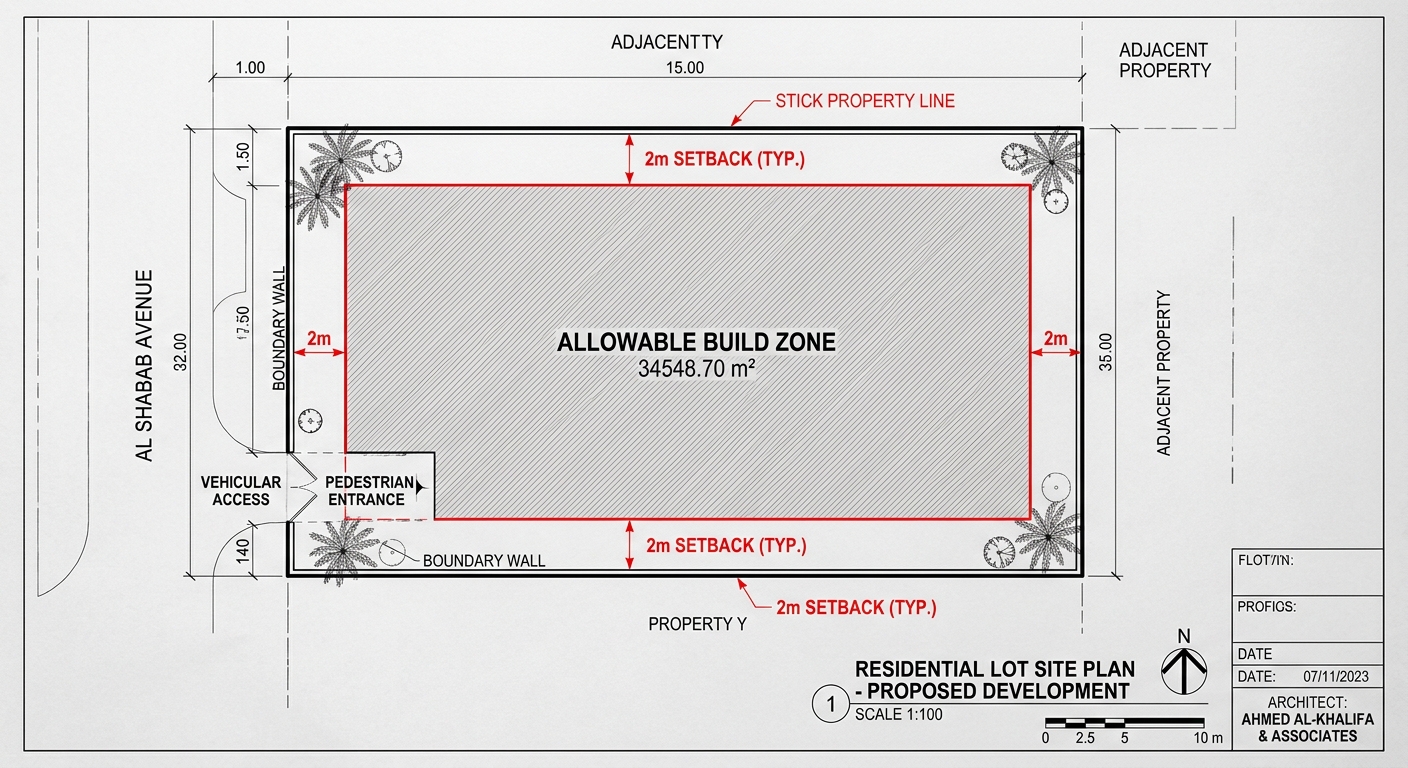
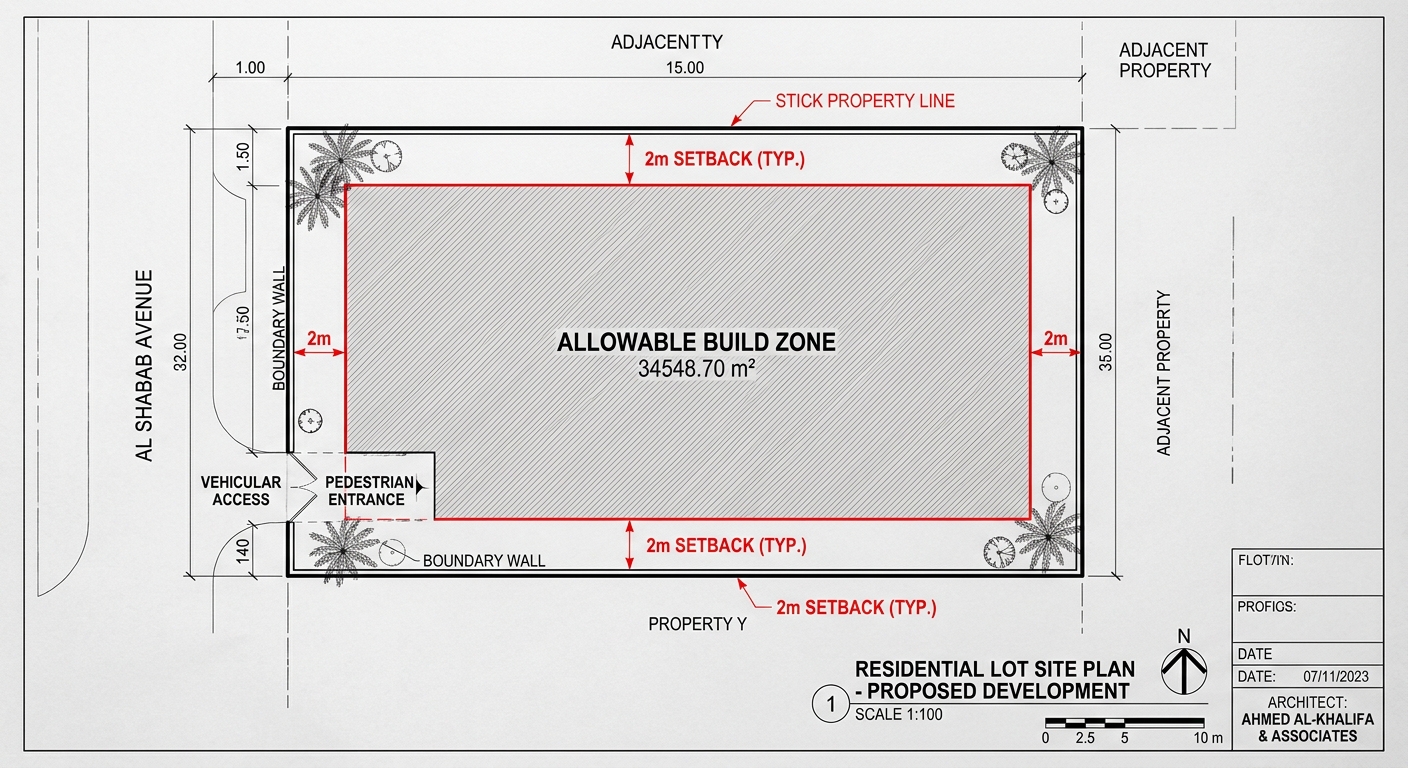
Requirement 3: Compliance with Bahrain Municipality Setback Rules
Bahrain's building codes strictly regulate what can be built near your plot boundary. Generally, permanent roofed structures require a 2-meter setback from the neighbor's wall. We selected concepts that either comply with these setbacks naturally or utilize non-permanent classifications (like retractable fabrics) to maximize your usable footprint legally.
Concept 1: The Bioclimatic Aluminum Pergola with Smart Louvers
An automated, roofed structure built from heavy-gauge aluminum featuring motorized louvers. These louvers rotate to track the sun's position, providing 100% shade during the day while allowing trapped hot air to escape vertically. At night, they open fully for sky-facing ventilation.
Why It Outperforms Traditional Wood in Coastal Humidity
Wood requires chemical sealing every six months to survive Bahrain's humidity and termite risks. Bioclimatic pergolas use powder-coated aluminum, which is entirely inert to coastal salt air. When the louvers close, an integrated gutter system channels sudden winter rain down the support pillars, keeping the furniture below completely dry. The mechanism here is total environmental control: you block direct infrared heat during the day but avoid trapping ambient heat at night.
Best Application: South-Facing Yards in Amwaj or Diyar Al Muharraq
This system is strictly required for south or west-facing coastal properties where the afternoon sun makes the space uninhabitable by 2:00 PM. It allows you to block the harsh solar angle while still letting prevailing sea breezes pass through the open sides.
Cost Expectation: BHD 800 to BHD 2,500 Depending on Automation
Expect to pay around BHD 1,200 for a standard 3x4 meter manually operated system. Fully automated systems with rain sensors and integrated LED lighting push toward BHD 2,500.
- The Tradeoff: Motorized systems introduce mechanical failure risks. In Bahrain's dusty environment, the louver tracks require bi-monthly cleaning to prevent sand buildup from stripping the actuator gears.
Concept 2: The Sunken Majlis-Style Courtyard
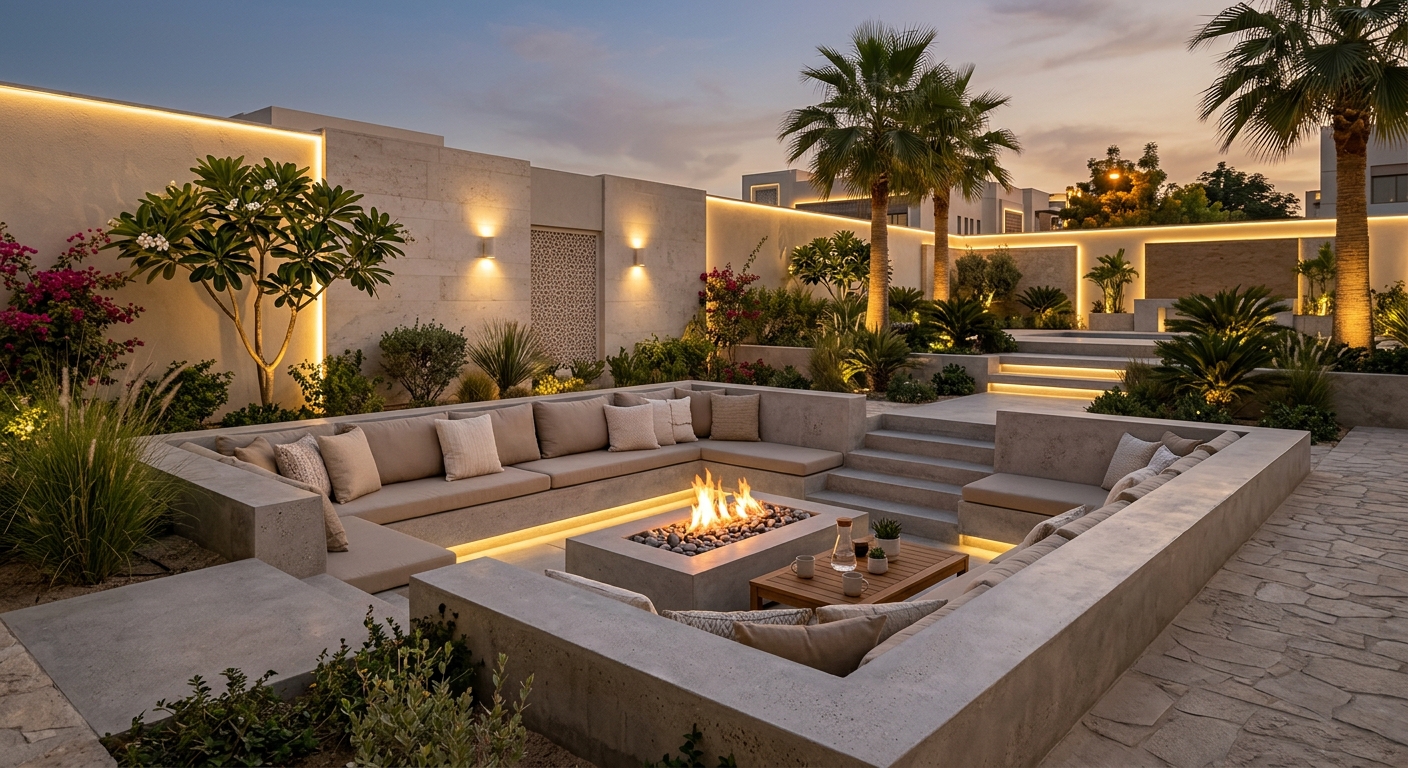
A lowered outdoor seating area, typically excavated 0.8 to 1.2 meters below ground level, featuring built-in concrete benches. This design utilizes the earth's natural thermal mass for cooling while manipulating sightlines for ultimate privacy.
Why It Solves the Neighbor Overlook Problem Without Raising Boundary Walls
Bahrain municipality regulations generally cap solid boundary walls at 2.5 to 3 meters. In dense neighborhoods, this is not high enough to block the view from a neighbor's first-floor balcony. By sinking the patio 1 meter into the ground, you artificially increase the effective height of your boundary wall to 3.5+ meters from the perspective of the seating area. This cuts off the angle of incidence from neighboring windows entirely.
Best Application: New Villa Constructions with Deep Excavation Potential
This concept is highly cost-effective if executed during initial villa construction while excavators are already on site. Attempting to retrofit a sunken majlis into an existing garden requires hand-digging and specialized soil retention, which triples the labor cost.
Integration of Built-In Concrete Seating and Fire/Ice Pits
The benches are poured in place, eliminating the need for separate outdoor furniture that blows away during winter Shamal winds.
- The Failure Mode: Ignoring drainage. Bahrain has a high water table, especially in reclaimed areas like Diyar Al Muharraq. If you do not install a dedicated sump pump and French drain system at the lowest point, your sunken majlis will flood during heavy January rains.
Concept 3: UPVC Glass-Enclosed Transitional Patios
A hybrid indoor-outdoor space created by enclosing a patio under a solid insulated roof with heavy-duty, thermally broken UPVC folding glass doors. The space is connected directly to the home's central AC or cooled via a dedicated split unit.
Why It Secures Year-Round Usability During August Peak Humidity
When August humidity hits 85% and temperatures sit at 42°C, shade is useless. The only mechanism that works is mechanical dehumidification and cooling. Standard aluminum frames transfer heat directly from the outside in. UPVC (Unplasticized Polyvinyl Chloride) frames feature multiple internal chambers that break the thermal bridge, preventing outside heat from radiating through the frames and overwhelming your AC.
Best Application: Rear Garden Extensions in Saar and Janabiyah Compounds
This is the definitive solution for families who want to host outdoor dinners in mid-summer. By using bi-fold glass doors, the space opens completely to the garden in December, but seals tight like a standard indoor room in August.
Navigating Municipality Permits for Permanent Enclosures
- The Tradeoff: Cost and bureaucracy. A UPVC enclosure is legally considered a permanent addition to your built-up area (BUA). You must hire an engineering firm to submit drawings to the municipality. If you are already at your plot's maximum BUA limit, this permit will be rejected. Expect project costs to start at BHD 3,500 for a basic 15-square-meter footprint.
Concept 4: The Micro-Cooled Desert Oasis
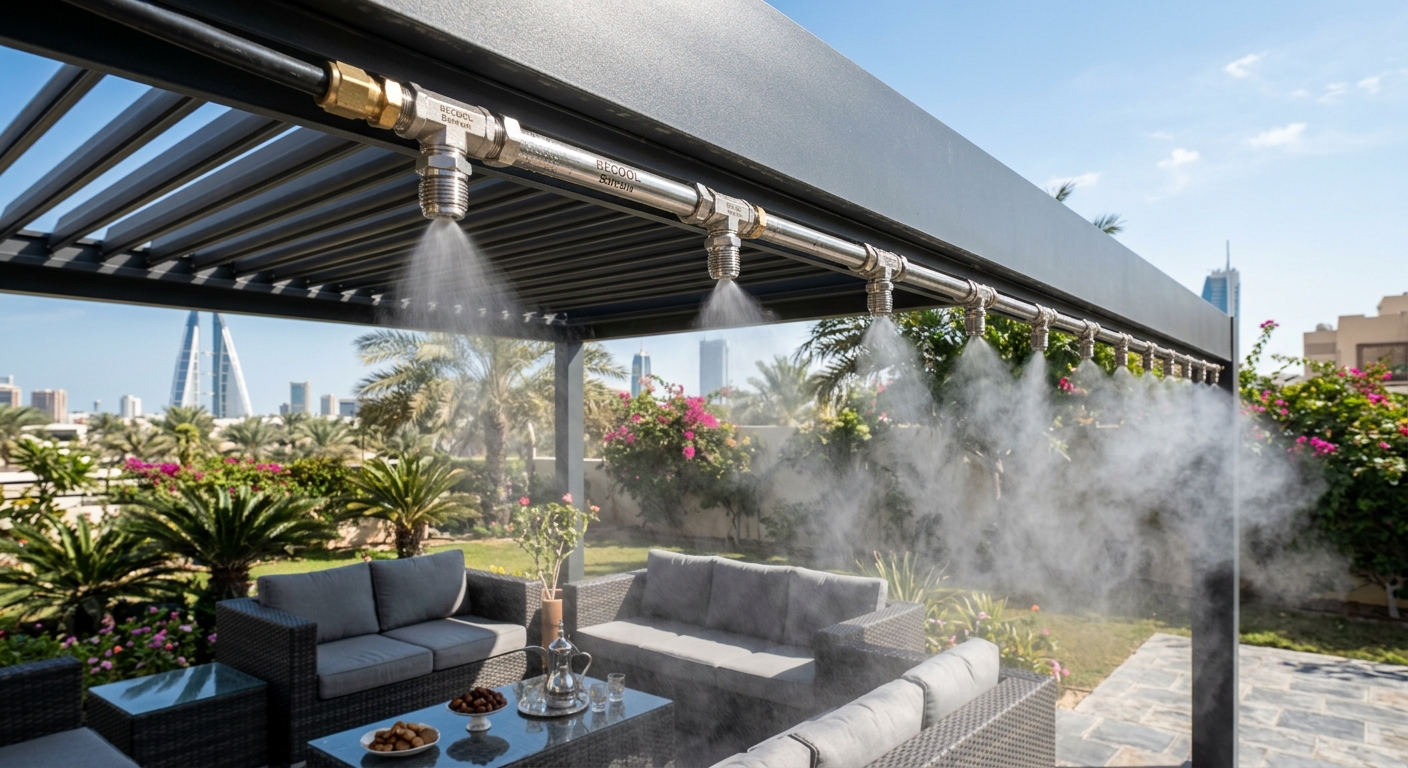
A highly specialized patio design that relies on commercial-grade high-pressure misting systems (1000 PSI), drought-resistant local flora, and automated shade sails to drop ambient temperatures by up to 10°C through evaporative cooling.
Why High-Pressure Misting Succeeds Where Standard Fans Fail
Standard outdoor fans in Bahrain simply blow 40°C air at you, accelerating dehydration. Low-pressure misters (the cheap ones attached to a garden hose) soak your furniture and leave puddles. A 1000 PSI high-pressure system atomizes water into 10-micron droplets. These droplets flash-evaporate before they hit the ground, absorbing massive amounts of heat energy from the air without making anything wet.
Best Application: Open Courtyards Requiring Daytime Dust Suppression
This is optimal for central courtyards in traditional U-shaped villas. The misting creates a microclimate that also traps airborne dust particles from the frequent summer dust storms, dropping them to the floor before they enter the house.
Water Consumption Metrics and EWA Bill Impact
- The Constraint: Hard water scaling. Bahrain's municipal water has high Total Dissolved Solids (TDS). If you run a misting system directly from the tap, the calcium will permanently clog the microscopic nozzles within three weeks. You must install a dedicated inline water softener (adding BHD 150 to the installation cost). The system itself uses minimal water—about 4 to 8 liters per hour per nozzle—meaning the impact on your EWA bill is negligible compared to running an AC unit.
Concept 5: Heat-Reflective Porcelain and Sail-Shade Hybrids
A minimalist, low-maintenance design relying on ultra-light-colored, slip-resistant, 20mm thick porcelain tiles, shielded by tensioned architectural fabrics (HDPE - High-Density Polyethylene).
Why Light Porcelain Prevents the 'Oven Effect' at Ground Level
Thermal mass is the enemy of outdoor comfort in the Gulf. Concrete pavers and natural stone absorb solar radiation all day and release it all night. 20mm porcelain tiles have extremely low thermal mass. If you use a very light color (white or pale beige) and shade it during the day, the floor will be cool to the touch within 20 minutes of sunset.
Best Application: Budget-Conscious Upgrades (Under BHD 1,000)
For homeowners looking for Innovative Patio Design Concepts on a strict budget, this combination offers the highest return on investment. Standard 20mm outdoor porcelain costs roughly BHD 6 to 9 per square meter, and a custom-cut HDPE shade sail installs for under BHD 250.
Wind-Load Requirements for Sail Anchors During Winter Shamals
- The Failure Mode: Under-engineering the anchor points. Bahrain experiences winter Shamal winds that routinely exceed 50km/h. A 5x5 meter shade sail acts like a massive parachute. If you anchor the sail directly into standard hollow red bricks (commonly used in Bahrain boundary walls), the wind will rip the bricks out, destroying the wall. Anchors must be chemically epoxied deep into the reinforced concrete pillars of the wall, and the sail must be taken down if winds exceed 60km/h.
Notable Exclusions: Patio Trends That Fail in Bahrain
When researching Innovative Patio Design Concepts online, you will encounter heavily promoted trends that are disastrous in the GCC climate. We intentionally excluded the following:
Exposed Teak Decking (Requires Monthly BHD 50+ Maintenance)
Wood decking requires constant UV protection and oiling. In Bahrain's intense UV index, teak turns silvery-grey and begins to splinter in under a year. Maintaining it requires professional sanding and sealing that costs upwards of BHD 50 per month over the lifespan of the deck. Replace it with wood-look porcelain tiles.
Dark Basalt or Slate Paving (Retains Heat Until Midnight)
Dark natural stones are highly popular in European designs. In Bahrain, dark stone absorbs so much thermal energy that walking on it barefoot at 2:00 PM will cause second-degree burns. Worse, it radiates that heat upward, making the patio feel like an oven even at 9:00 PM.
Fabric-Only Pop-Up Gazebos (Destroyed by Seasonal Dust Storms)
Cheap aluminum and polyester gazebos bought from local hypermarkets lack the structural rigidity to survive a single dust storm. The fabric degrades under UV light within four months, tearing at the seams. They are a waste of money and a hazard in high winds.
How to Choose from This List: A Framework for Local Properties
Selecting among these Innovative Patio Design Concepts requires mapping the infrastructure to your specific property constraints.
For Rented Compound Villas: Prioritizing Non-Permanent Structures
If you rent in a compound (common in Saar, Janabiyah, or Jasra), your landlord will rarely allow permanent structural changes, and you cannot take a sunken majlis with you when you move.
- The Decision: Choose the Heat-Reflective Porcelain (laid over sand, not mortared) and Sail-Shade Hybrid. It requires zero municipality permits, leaves the existing structure intact, and you can take the custom sails with you to your next property.
For Owned Freehold Villas: Maximizing ROI with Permanent Cooling
If you own a freehold property in areas like Riffa Views or Diyar Al Muharraq, your goal is adding permanent square footage and property value.
- The Decision: Invest in the UPVC Glass-Enclosed Patio or the Bioclimatic Pergola. While the upfront cost is high, adding a usable, climate-controlled room directly increases the resale value of the villa.
Matching the Concept to Your Primary Usage Time (Daytime vs. Evening)
- If you intend to use the space for Friday family lunches (Daytime): You must choose the UPVC enclosure. No amount of shade makes 45°C comfortable for a sit-down meal.
- If you primarily host evening gatherings (Nighttime): The Sunken Majlis is optimal. Once the sun drops, the earth-cooled seating area provides an unmatched, highly private entertaining space.
Conclusion: Integrating Innovative Patio Design Concepts in Bahrain requires accepting the harsh realities of the climate. For guaranteed year-round daytime use, the UPVC Glass Enclosure leads the pack by relying on brute-force mechanical cooling. The Sunken Majlis excels for evening entertaining, delivering maximum privacy without violating boundary wall height limits. Meanwhile, the Bioclimatic Pergola offers the optimal middle-ground for budget and flexibility.
Do not start buying furniture or laying tiles based on Pinterest boards. Your immediate next step is requesting a site survey from a locally licensed contractor to verify your specific plot setback limits, check the built-up area regulations for your deed, and secure accurate material quotes in BHD.