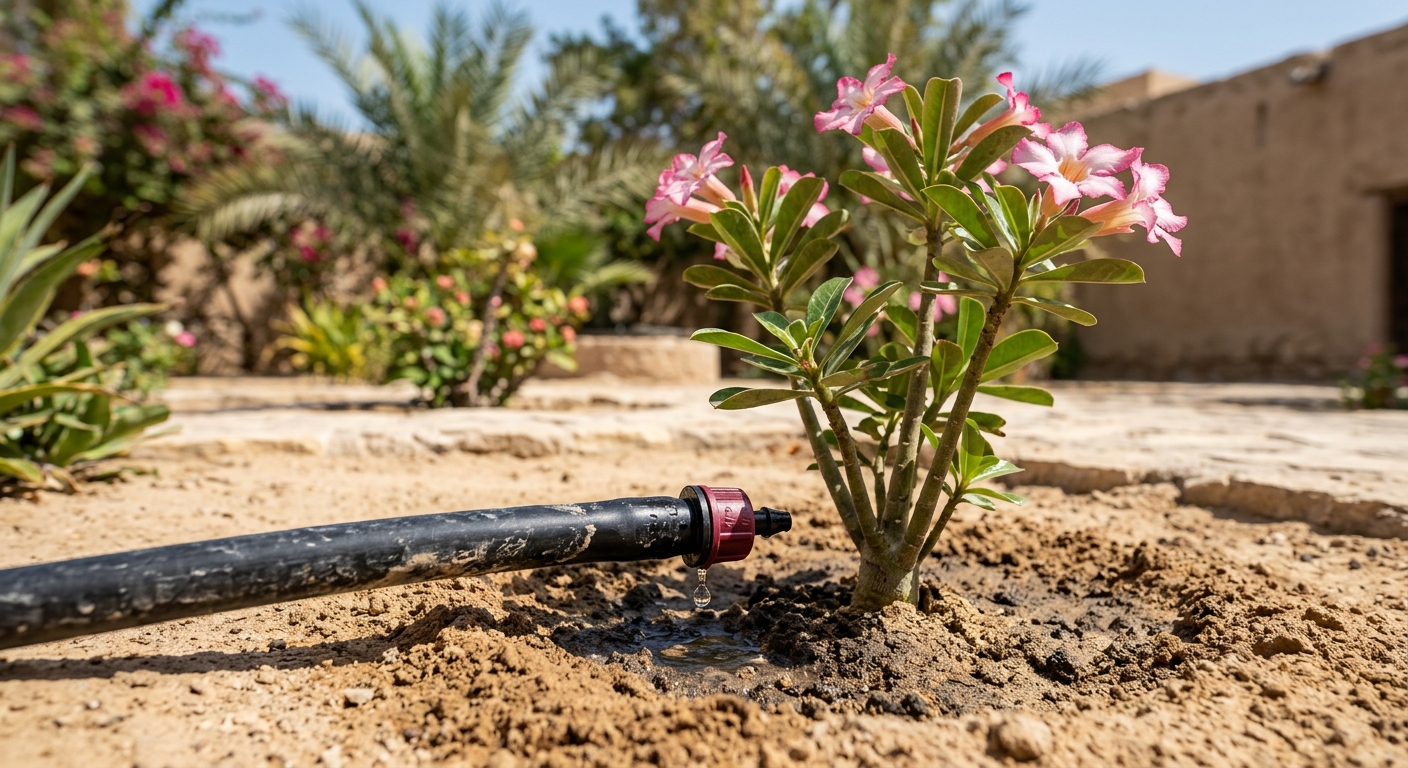
Create a Backyard Oasis in Bahrain
Transforming a dusty residential plot into a lush retreat requires more than a weekend trip to a garden center. To successfully create a backyard oasis in Bahrain that survives 45°C summers and 80% humidity, you must engineer the space for extreme heat. This project typically demands three to six weeks of planning and execution, ranging from moderate to high difficulty depending on your hardscaping choices.
The most common reason these projects fail is treating a Gulf garden like a European one. Planting thirsty turf grass and delicate flowers guarantees they will wither by July, resulting in thousands of dinars wasted and exorbitant Electricity and Water Authority (EWA) bills. By focusing on drought-tolerant indigenous plants, strategic shade mapping, and efficient drip irrigation, this method ensures a sustainable, low-maintenance outdoor living space year-round.
What You Need Before Starting Your Bahrain Garden Project
Establish your baseline budget in Bahraini Dinars (BD), secure necessary municipality permissions, and gather climate-appropriate materials before breaking ground.
Municipality Permits for Pergolas, Pools, and Boundary Walls
Do not build structures attached to your boundary wall without checking the Ministry of Works, Municipalities Affairs and Urban Planning regulations. Any permanent shade structure exceeding 2 meters in height or encroaching on the boundary setback requires a permit. Building without one risks a forced demolition order and steep fines.
Budget Allocation: BD 500 to BD 3,000+
Define your financial constraints early.
- Basic DIY Setup (BD 500 - BD 800): Covers sweet soil replacement, basic drip irrigation lines, gravel ground cover, and local nursery plants from the Budaiya agricultural corridor.
- Full Hardscaping (BD 2,500 - BD 4,000+): Includes professional travertine paving, aluminum pergolas, high-density artificial turf, and automated smart-irrigation systems.
Sourcing EWA-Compliant Drip Irrigation Systems
Purchase pressure-compensating drip emitters rated for 1.5 to 2.0 bar pressure. Bahrain's residential water pressure fluctuates heavily, especially in older areas like Isa Town or Riffa. Standard soaker hoses will burst during high-pressure spikes or fail to deliver water during municipal shortages.
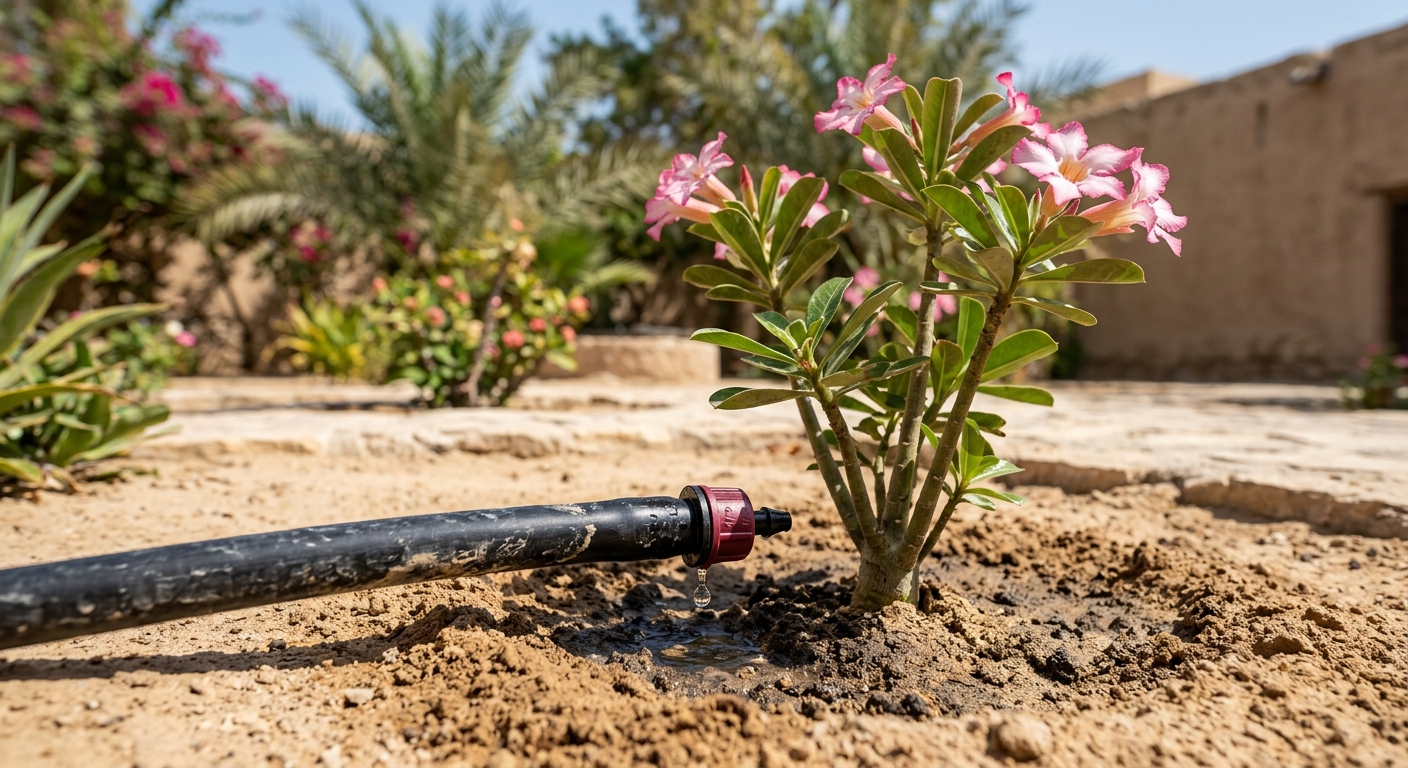
Step 1: Map Sun Exposure and Establish Privacy Zones
Before buying a single plant, you must analyze how the intense summer sun hits your yard and identify sightlines from neighboring villas. To create a backyard oasis in Bahrain, microclimate management is your primary defense against heat.
Track the 12 PM to 4 PM July Sun Path
Dedicate one weekend to tracking sun exposure. Place markers in your yard at noon, 2:00 PM, and 4:00 PM to outline where the shadows fall.
- Expected Outcome: You will have a physical map of the "burn zones" where no seating or delicate plants can survive.
- If this step fails (e.g., your entire yard is in direct sun): You must allocate your budget toward a large, permanent shade structure before proceeding to plant selection.
Position 2-Meter Trellises for Villa Privacy
Install wooden or PVC trellises along the boundary walls facing your neighbors' second-story windows. Anchor them using galvanized steel brackets drilled directly into the concrete block wall.
- Expected Outcome: When you stand in your planned seating area, you should no longer have a direct line of sight to neighboring windows.
Identify Natural Wind Corridors for Shamal Breezes
Walk your yard during a breezy afternoon to locate the path of the Shamal (the prevailing northwest wind). Position your primary seating area within this corridor. If you block this natural airflow with solid privacy walls, your seating area will trap stagnant, humid air, rendering it unusable from May to October.
Step 2: Install Heat-Resistant Hardscaping and Shade Structures
Lay the structural foundation using materials that will not absorb excessive heat or degrade under intense UV rays.
Warning: Do not pour concrete or lay pavers before running PVC sleeves (empty pipes) underneath them. If you skip this irreversible step, you will not be able to run irrigation lines or lighting cables across the yard without tearing up the new floor.
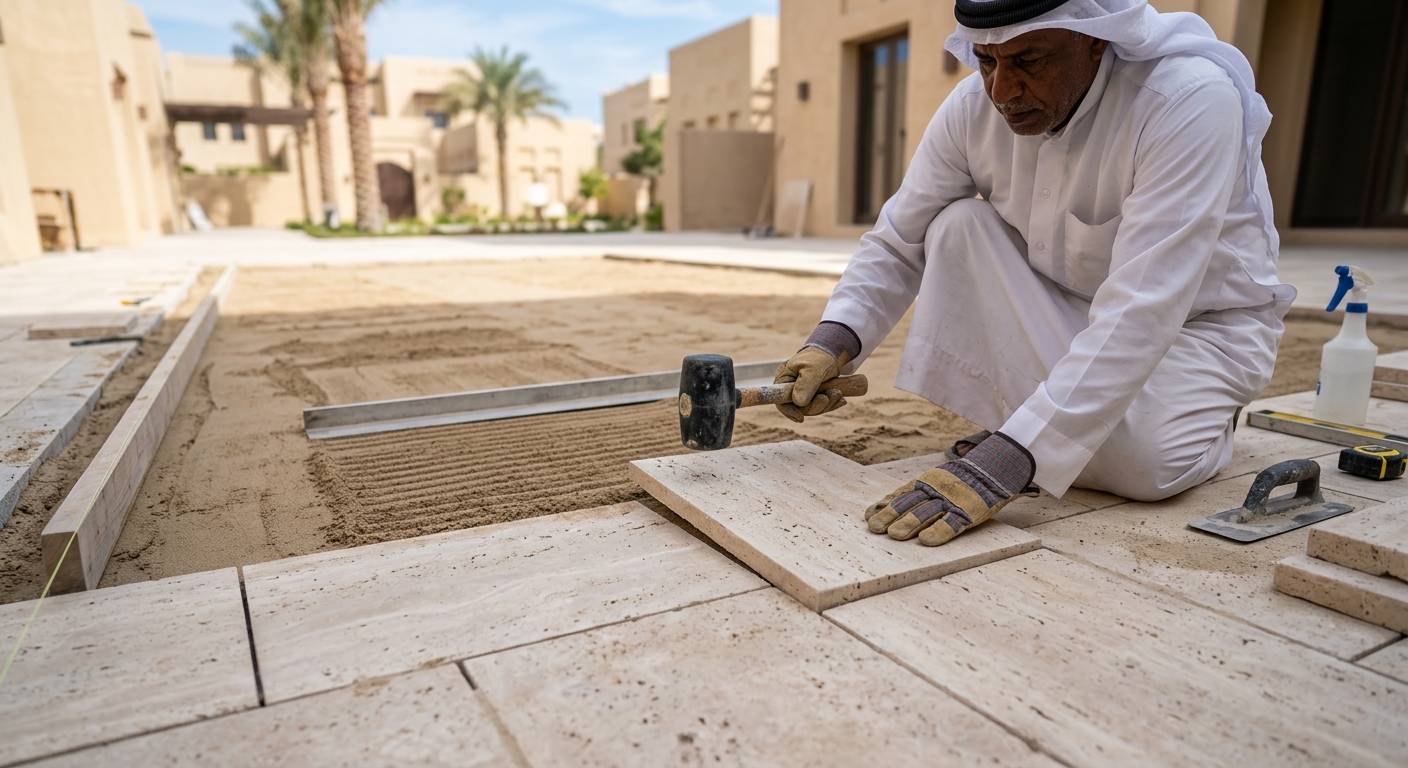
Select Light-Colored Travertine over Heat-Trapping Concrete
Order unpolished, light-colored travertine pavers (typically BD 18-25 per square meter) rather than stamped concrete. Lay them over a 5cm compacted sand base.
- Tradeoffs: Travertine costs roughly double what stamped concrete costs. However, you give up the cost savings to gain a surface that remains cool enough to walk on barefoot in August. Concrete absorbs and radiates heat, turning your yard into an oven well into the night.
- Expected Outcome: The finished surface should feel firm underfoot with no rocking, and remain noticeably cooler to the touch than surrounding asphalt.
Anchor Aluminum or UV-Treated Wood Pergolas
Bolt the pergola footings directly into a concrete footer using heavy-duty masonry anchors.
- Tradeoffs: Aluminum pergolas (BD 600+) resist rust and require zero maintenance, but look modern. Wood pergolas (BD 300+) offer a natural aesthetic but require annual re-sealing to prevent UV splintering and termite damage.
- Expected Outcome: When you push firmly against the support posts, there should be zero sway or movement.
Lay High-Density Artificial Turf with Cooling Infill
Roll out the artificial turf and secure the seams using outdoor-grade seaming tape and glue. Spread silica sand or a specialized cooling infill over the grass and brush it into the fibers using a stiff broom.
- Expected Outcome: The grass blades should stand upright, and the surface temperature should drop by several degrees compared to turf with standard rubber infill.
Step 3: Select and Plant Drought-Tolerant Local Flora
Introduce greenery that thrives in saline soil and extreme heat. This step minimizes water consumption while maximizing visual impact.
Import 'Sweet Soil' to Counteract Natural Ground Salinity
Excavate and remove the top 30cm of your existing native soil. Bahrain's natural ground is highly saline (sabkha), which causes osmotic stress and prevents roots from absorbing water. Backfill the trenches with imported 'sweet soil' (washed agricultural sand mixed with compost) purchased from local nurseries.
- Expected Outcome: The new soil should look dark brown and feel crumbly, unlike the pale, hard-packed native sand.
- If this step fails (you hit solid limestone bedrock early): Stop digging and switch to building raised planter boxes instead of planting directly in the ground.
Plant Bougainvillea, Desert Rose, and Date Palms
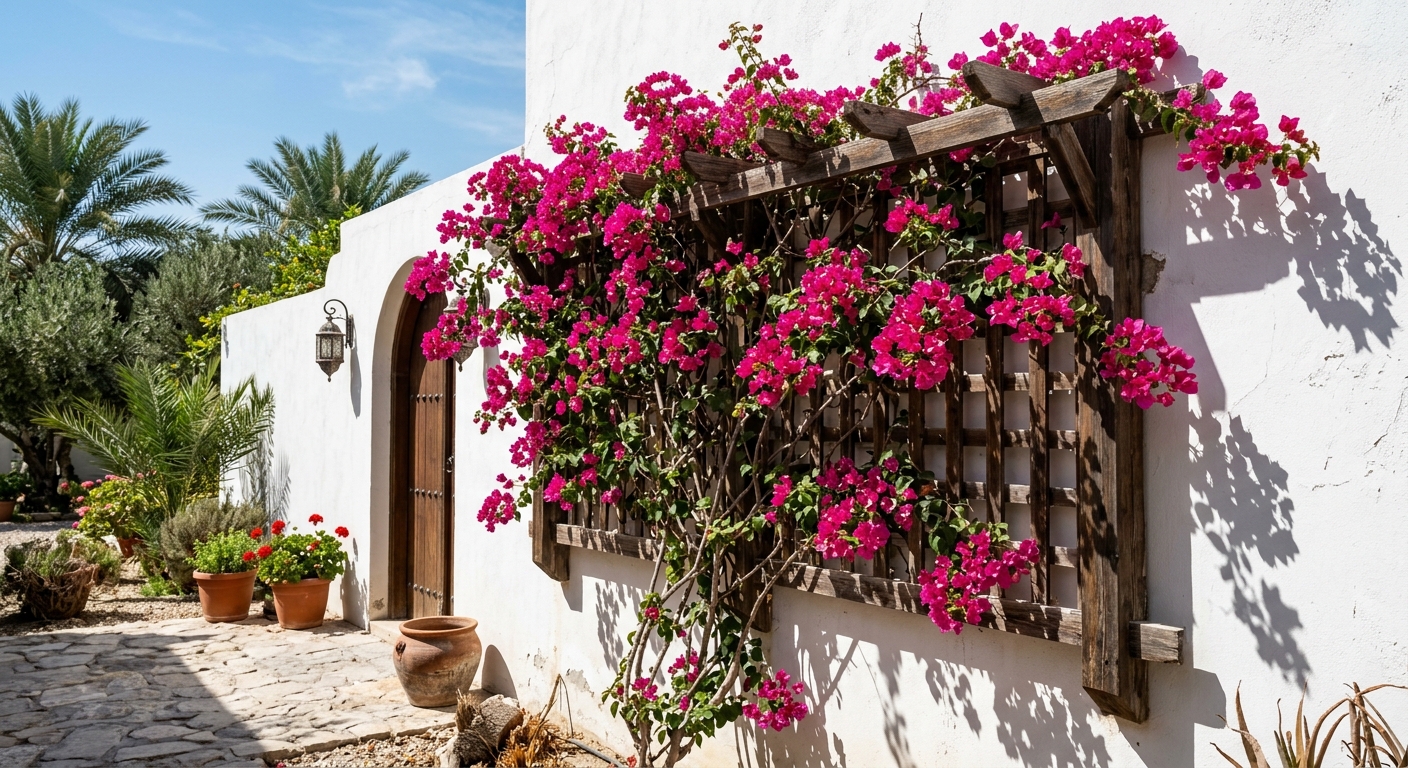
Dig holes twice the width of the root balls. Place Date Palms in the highest sun exposure areas, use Bougainvillea to climb your privacy trellises, and plant Desert Rose in well-draining accent pots.
- Expected Outcome: The root ball should sit level with the surrounding soil. The plants will look slightly wilted for the first 48 hours due to transplant shock before perking up.
Calibrate Smart Irrigation Timers for Pre-Dawn Watering
Connect your drip lines to a battery-operated smart timer attached to your outdoor water tap. Set the watering schedule for 4:00 AM.
- Expected Outcome: You should hear the valve click open at the designated time, and water should begin dripping steadily from every emitter.
Common Mistakes That Cause Landscape Failure in the Gulf
To successfully create a backyard oasis in Bahrain, you must avoid the frequent errors that lead to dead plants, structural damage, and wasted money.
Choosing High-Water Natural Grass over Artificial Alternatives
People often insist on natural Bermuda or Paspalum grass. In practice, keeping 50 square meters of natural grass alive in Bahrain requires up to 500 liters of water daily during peak summer. This pushes residential EWA tiers into the highest bracket, often tripling monthly utility bills. The tradeoff for a natural lawn is a severe financial penalty and constant maintenance.
Running Sprinklers During Midday Evaporation Hours
A common surprise for newcomers is watching their plants burn despite daily watering. Watering between 10:00 AM and 4:00 PM results in up to 40% of the water evaporating before it reaches the roots. Furthermore, water droplets sitting on leaves act as magnifying glasses under the harsh Gulf sun, causing severe foliage burns.
Selecting Dark Paving Stones
Do not buy dark grey or black paving stones, regardless of how they look in the showroom. Dark materials absorb massive amounts of solar radiation. What people underestimate is that this heat is released slowly throughout the evening, effectively destroying the microclimate you tried to create with shade structures.
How to Know It Worked: Testing Your Oasis
Verify that your irrigation is functioning efficiently, plants are taking root, and the microclimate is actively cooling the space.
The 30-Day Plant Rooting and Hydration Check
Wait exactly 30 days after planting. Dig your fingers 5cm into the soil near the base of your plants before the irrigation turns on.
- Expected Outcome: The soil should feel like a damp sponge—cool and slightly moist. If it is bone dry, your emitters are clogged or your watering duration is too short. If it is muddy and smells like sulfur, you are overwatering and drowning the roots.
Measure Temperature Drops Under Installed Shade Structures
Take a digital thermometer and place it in direct sunlight at 2:00 PM. Move the thermometer under your pergola, wait ten minutes, and check the reading again.
- Expected Outcome: You should see a temperature drop of at least 5°C to 8°C. If the temperature remains identical, your shade structure is trapping heat, and you need to install a ceiling fan or create roof ventilation to allow hot air to escape.
Monitor the First Month's EWA Bill for Water Leaks
Review your EWA bill the month following your garden installation.
- Expected Outcome: Your water consumption should show a minor, predictable increase. If your bill spikes by more than BD 20, you have an underground leak in your PVC irrigation sleeves or a faulty timer valve that is failing to shut off completely.
Conclusion
To create a backyard oasis in Bahrain, you must respect the local climate through strategic shading, smart water management, and indigenous plant selection. Attempting to force a temperate garden design into a desert environment will only result in frustration and financial loss.
If your plants begin yellowing despite regular watering, check the soil salinity immediately. Salt buildup is common; you may need to flush the soil with deep watering and consult a local nursery in the Budaiya agricultural corridor for tailored, salt-counteracting fertilizer. Your next step is to establish a seasonal maintenance schedule, adjusting your irrigation timers to reduce water output by 50% as temperatures drop toward November.